Přečteno 100437x
-
After a nighttime attack on Venezuela, the United States detained President Maduro; Trump announced his transfer to the US to face trial.



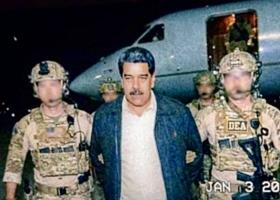
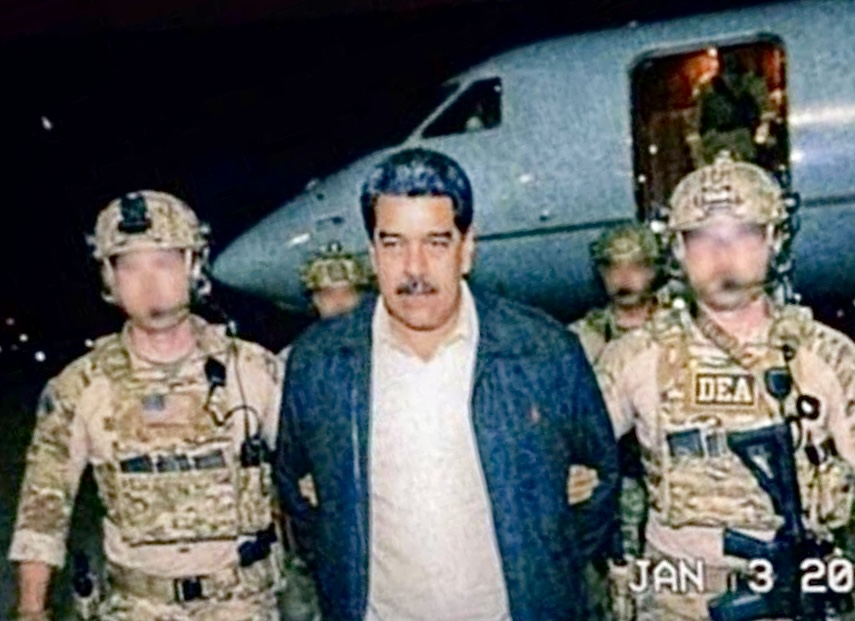
© Zadržení venezuelského prezidenta Madura agentem DEA a vojákem americké Delta Force Large-scale nighttime strike by American forces on military targets in Caracas resulted, according to President Donald Trump, in the capture and removal of Venezuelan leader Nicolás Maduro and his wife from Venezuela. Maduro is to stand trial in the United States on charges of narco-terrorism and involvement in massive cocaine smuggling, while Caracas speaks of a violation of sovereignty and demands proof that the president is alive.
The United States overnight, during an extensive military strike on Venezuela, captured and detained Venezuelan President Nicolás Maduro, whom, according to U.S. President Donald Trump, special forces transported out of Venezuela to face criminal prosecution in the United States. Maduro has long faced charges of narco-terrorism and large-scale drug trafficking into the U.S., and Washington calls him an illegitimate leader after the controversial 2024 elections.
Night of explosions in Caracas
According to witnesses and local media, the capital Caracas was shaken in the early morning hours by a series of powerful explosions, accompanied by low-flying aircraft and power outages in some areas. The attacks mainly targeted military facilities, including the key Fuerte Tiuna complex and La Carlota airport on the edge of the metropolis.
Trump said in a statement that it was an "extensive strike" against military targets around Caracas, intended to secure the safety of American forces carrying out the arrest of Maduro. Residents reported smoke rising from several locations and the presence of armed units in the streets.
Maduro detained by a special unit
According to U.S. officials and several media outlets, Nicolás Maduro was detained in the early morning hours by the U.S. Army's elite unit Delta Force.[1][8] His wife and first lady Cilia Flores was also detained with him; both were reportedly then flown out of the country.
Trump wrote on his social network that Maduro and his wife were "detained and taken out of the country" in an operation carried out in cooperation with U.S. security forces. American authorities have not yet officially specified where Maduro is currently located, but according to multiple sources he is headed to New York, where he is to stand trial.
Charges and impending trial in the U.S.
Maduro was already indicted in 2020 by federal prosecutors in New York for participating in a "narco-terrorist" conspiracy, importing cocaine into the United States, and possessing "machine guns and destructive devices." The U.S. Department of Justice and other agencies have long accused him of leading an extensive drug network that allegedly used Venezuelan territory to transit cocaine.
Washington has in recent years steadily increased pressure on Maduro's government, including imposing sanctions and offering a reward — the amount for information leading to his capture was increased last year to as much as $50 million. Maduro is now to face trial in the U.S., and American sources indicate the indictment could be expanded to include additional counts, possibly involving his wife.
Venezuela's reaction and uncertainty in the country
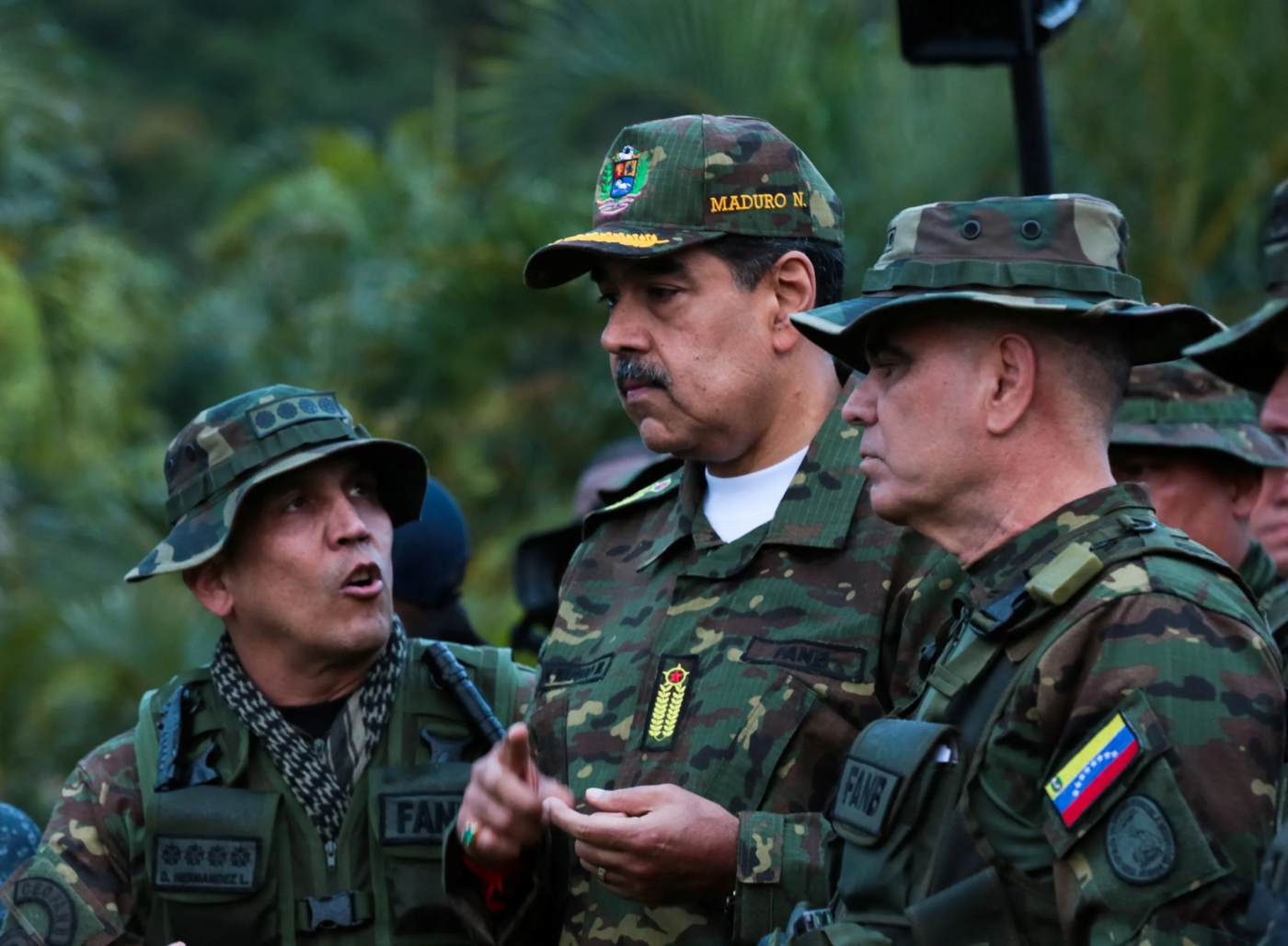
The Venezuelan government is officially demanding from Washington "proof of life" for its president and says it does not know his current whereabouts. Vice President Delcy Rodríguez has called for the mobilization of the armed forces and a state of emergency has been declared in the country.
The attack and detention come after months of rising tensions between the two states, which escalated following the disputed 2024 presidential elections and the subsequent brutally suppressed protests, during which dozens of people were killed and hundreds were imprisoned. The opposition in Caracas welcomes the U.S. move as the end of an authoritarian government, while Maduro's allies speak of "imperialist aggression" and a violation of Venezuela's sovereignty.
Impact on the region and further developments
The detention of a sitting president by a foreign power is an unprecedented intervention in Latin America and raises questions about further developments in Venezuela itself. It is not yet clear whether the move will lead to a rapid regime change, a transitional government, or, on the contrary, a power vacuum and possible internal clashes.
Neighboring Colombia, according to its authorities, has already strengthened troops on the border with Venezuela over fears of destabilization and a refugee wave.[2][5] The American side indicates that following Maduro's detention it does not expect further military action, but the situation remains extremely tense and the international community is calling for calm.
-
-
Nejčtenější články